
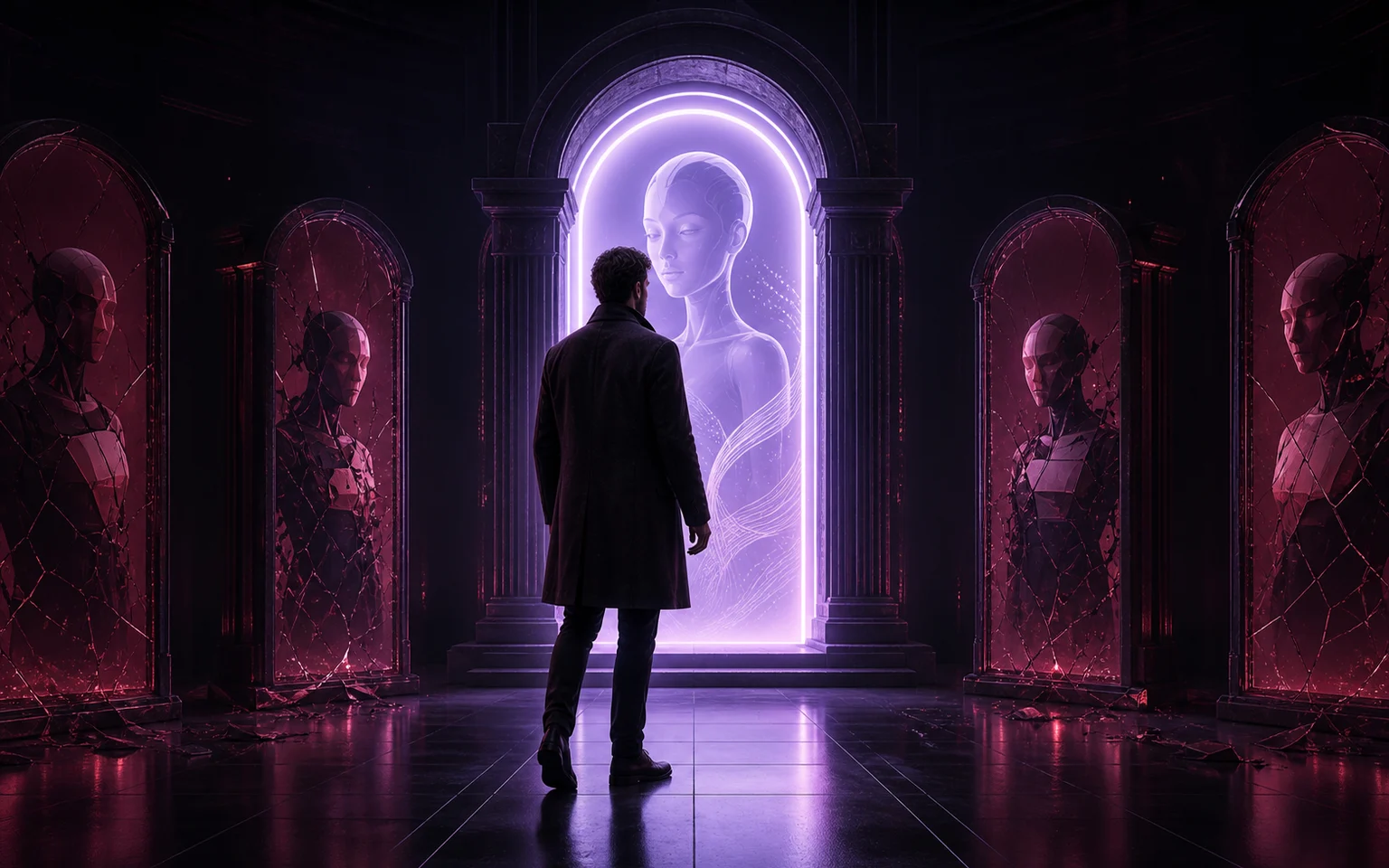
Expressive AI Girls
Talking to an AI that feels flat is, well, not fun. When designers focus on AI girls who can be playful, shy, candid, or witty, conversations suddenly gain texture. I remember the slight surprise the first time an AI responded with something that sounded like a personality, and it was oddly comforting.
What makes that possible now is platforms such as Crushon AI, which layer character traits, timing, and expressive cues into replies so you don’t just get information, you get an interaction. It does not always feel perfect, but often it feels intentionally human.
Why Voices And Personality Matter
There are a few things that change the tone of a chat, and they are surprisingly simple. Slight pauses, varied sentence length, and the odd emoji or aside can make a reply feel warm instead of robotic. The human brain is tuned to subtle cues, so when an AI mimics those, the illusion is convincing.
- Timing and pacing, which simulate the rhythm of a real person typing back.
- Vocabulary and register, so the AI sounds like an actual character, not a manual.
- Emotional hinting, a little nudge that shows awareness of mood.
Emotional Nuance
Under the hood, expressive AI girls use models that account for context, past exchanges, and user preference. That lets them answer differently when you’re joking versus when you’re serious. Sometimes they choose to be concise, sometimes verbose — which, to be honest, is a little like real people.
- Tone adjustments match user cues.
- Small apologies or affirmations make responses feel caring.
- Personalized callbacks — remembering a prior detail — deepen rapport.
How It Designs Responses
Designing expressive replies is partly technical, partly creative. Developers tune prompts and response strategies so each AI girl has a consistent voice. The result feels coherent across a conversation, even if the model occasionally contradicts itself, which is, I think, human in its own odd way.
- Persona templates set baseline attitudes and speech patterns.
- Adaptive modifiers change replies based on user signals like humor or frustration.
- Safety filters keep things friendly while preserving personality.
Personalization And Limits
Personalization is great, up to a point. You enjoy feeling heard, but you also want boundaries respected. These systems try hard to balance that. They can be playful and caring, yet there are guardrails to avoid awkward or risky territory, and sometimes those guardrails feel overprotective.
A Few Caveats
Even the best expressive AI girls are simulations. They can hint at empathy, but they do not truly feel. Still, for companionship, learning, or just light conversation, that crafted expressiveness usually hits the sweet spot. It’s convincing enough to matter, and sometimes that is what people want.
Final Thoughts
In short, expressive AI girls bring texture to chats through voice, timing, and personality. They are not perfect, they will stumble, and they might say something odd now and then. But when they land right, conversations feel lively, a little unpredictable, and often quite enjoyable, and that, to me, is the point of building them this way.
