
When you travel to foreign lands, you are likely to be exposed to different health hazards, and immunization is important in ensuring that you are safe. Typhoid Vaccine Reaction is one of the most commonly used vaccines by travelers that protects against typhoid fever, which is a bacterial infection caused by Salmonella Typhi. Although vaccines are safe, some reactions are typical after taking a vaccine. Understanding these reactions can help you feel more confident and know when to seek professional advice.
Understanding Typhoid Vaccine Reaction
The reaction of the body to the vaccine is known as typhoid vaccine reaction as the body develops immunity against the bacteria. The majority of the responses are mild and temporary, which means that the immune system is acting efficiently. The most common side effects are pain or redness on the site of injection, mild fever, tiredness, headache, or stomachache. These symptoms are expected to manifest themselves in 24-48 hours, and it lasts only a few days.
It should be mentioned that the typhoid vaccine is not the only vaccine that results in vaccine reactions. Other vaccines like rabies, hepatitis vaccines can also have similar responses. As an example, individuals can undergo such side effects of a rabies vaccination as soreness of the injection area or mild fever. Likewise, hepatitis A side effects vaccine or hep B vaccine side effects may be fatigue, headache or a mild ache in the muscles.
Common Symptoms After Typhoid Vaccination
The following are the most common symptoms that have been reported:
- Injection Site Reactions: Pain, swelling, or redness of the place of the shot.
- Fever: There is mild fever as the immune system responds.
- Headache and Fatigue: It is normal to feel tired or to have a headache.
- Digestive Symptoms: others complain of mild nausea, stomach upsets, or diarrhea.
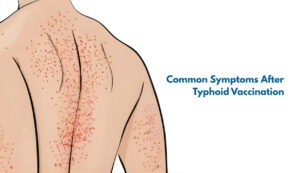
The symptoms tend to clear with no medical intervention in a few days. Nevertheless, the severity of the symptoms has to be monitored, and a medical professional should be addressed in case of persistent symptoms or their aggravation.
Comparing Reactions with Other Vaccines
Reactions to vaccines differ according to the vaccination. To the travelers it may be useful to know these differences:
- Tdap Symptoms: It Tdap (tetanus, diphtheria, pertussis) vaccination may have the side effects of soreness, mild fever, or fatigue, just like the typhoid vaccine side effects.
- Hep A and Hep B Vaccine Side Effects: The side effects are usually soreness at the injection area, mild fever, or muscle pains. Sometimes fatigue or headache can also be present.
- Side Effects of a Rabies Vaccine: As a rule, pain at the injection site, light fever, headache, or nausea
The identification of these patterns facilitates expectation-setting and post-vaccination anxiety.
Duration of Typhoid Vaccine Reaction
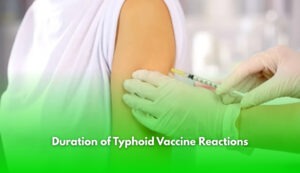
The majority of the reactions are short-lived. Local responses such as pain or reddening generally disappear in 1-3 days. Systemic symptoms (e.g. mild fever, headache or fatigue) can take 1-2 days. In case any reaction continues to exist after a week, a healthcare provider should be contacted.
When to Seek Medical Advice
Most of the reactions are mild but some symptoms need professional intervention:
- High fever (above 39°C / 102°F)
- Extreme swelling, redness or pain in the part of the body where the injection was given.
- Constant vomiting, diarrhea or abdominal pain.
- The allergic reaction, including signs of rash, swelling of the face, or difficulty breathing.
In case you have any of these, you need to meet with a healthcare provider as soon as possible. It is safer to be guided on time and, in case of any unforeseen responses, to cope with them.
Aftercare Tips to Reduce Discomfort
Simple measures that can be taken after monitoring the vaccine include:
- Compress the area of injection with a cool compress to eliminate pain.
- Keep hydrated and take a nap in case you are tired.
- Use pain medication, over-the-counter, as recommended by the doctor.
- Do not perform hard exercise during 24 hours in case of illness.
The practices facilitate a rapid healing process and reduce the effects of mild reactions.
Typhoid Vaccine for Travel: What You Need to Know
The vaccination should be taken early enough by travelers going to areas where typhoid fever is prevalent. The vaccine not only protects but also helps in the prevention of disease transmission. Consult a pharmacist or healthcare provider about your travel and how you would like to be vaccinated and when.
Oldfield Pharmacy is a pharmacy located in Manchester; it specializes in professional travel vaccination and advice. Our seasoned pharmacists advise you on the after effects of a typhoid vaccine and assist you in the event of any reactions. You are going either to Asia or Africa or any other high-risk area, we make sure that you will be properly and safely vaccinated and provided with aftercare advice.
Understanding Individual Variability in Reactions
The immunity of all people is different. Others can have extremely weak symptoms, and some other people feel more pronounced effects. Trends affecting reactions are:
- Age and general health
- Previous vaccinations
- Immune system response
- Existence of interacting ailments.

The anticipation of events may lessen anxiety and lead to a high compliance rate to vaccination.
Common Myths About Vaccine Reactions
The vaccine reactions have a number of misconceptions:
- “Severe reactions are common” — In fact most reactions are mild and brief.
- “You shouldn’t get vaccinated if you’re prone to mild illness” — You need not be vaccinated when you are vulnerable to minor diseases, it is possible to be vaccinated and be guided.
- “All side effects indicate an allergy” — It is a normal immune reaction, not an allergy, the body had mild fever, was feeling fatigued, or sore on the site of the injection.
Training yourself on how to behave realistically keeps you informed and ready.
Monitoring Reactions and Reporting
It is significant to monitor post-vaccination reactions. Other passengers keep a little journal in which they write:
- Time of onset
- Character and length of symptoms.
- Any relief measures taken
In case of severe reactions, reporting to the health authorities of the United Kingdom, including the Yellow Card Scheme, can ensure the monitoring of safety, and contribute to the programs of promoting the health of the population.
Other Travel Vaccines and Their Side Effects
Although the reactions on typhoid vaccine are not severe, it is useful to know about the possible side effects of other travel vaccines:
- Hepatitis A Side Effects Vaccine: Fatigue, headache, slight fever and pain at injection site.
- Hepatitis B Vaccine Side Effects: Hep A also has side effects, and also nausea occasionally.
- Tdap Symptoms: Soreness in muscle, mild fever, or headache.
- Rabies Vaccine Side Effects: Pain where injection, mild systemic effects, e.g. fatigue or nausea.

Awareness facilitates informed choice on the part of the travelers and the anxiety over vaccination.
Building Confidence in Vaccination
Knowing how to respond to vaccines fosters trust in travelling vaccination. Travelers can afford to enjoy the trip without worrying about how to react when they know how to do it, thus they can spend their time on the trip.
Professional advice is available in pharmacies such as Oldfield Pharmacy in Manchester, not only about typhoid vaccination, but also about various travel vaccines as well as a comprehensive approach to travel health.
How to Manage Typhoid Vaccine Reaction Safely
Vaccination responses to typhoid are a normal response to immunogenicity building and are usually mild with short-term effects. The knowledge of potential symptoms, observation of how you feel, and understanding when to seek help can make the process of vaccination free of stress.
To tourists in the UK, and those who travel mostly around Manchester, visiting a reliable pharmacy will give them some assurance and relaxation. Your number one defense against typhoid and other types of infectious diseases is Vaccination in conjunction with safe travel practices.
